
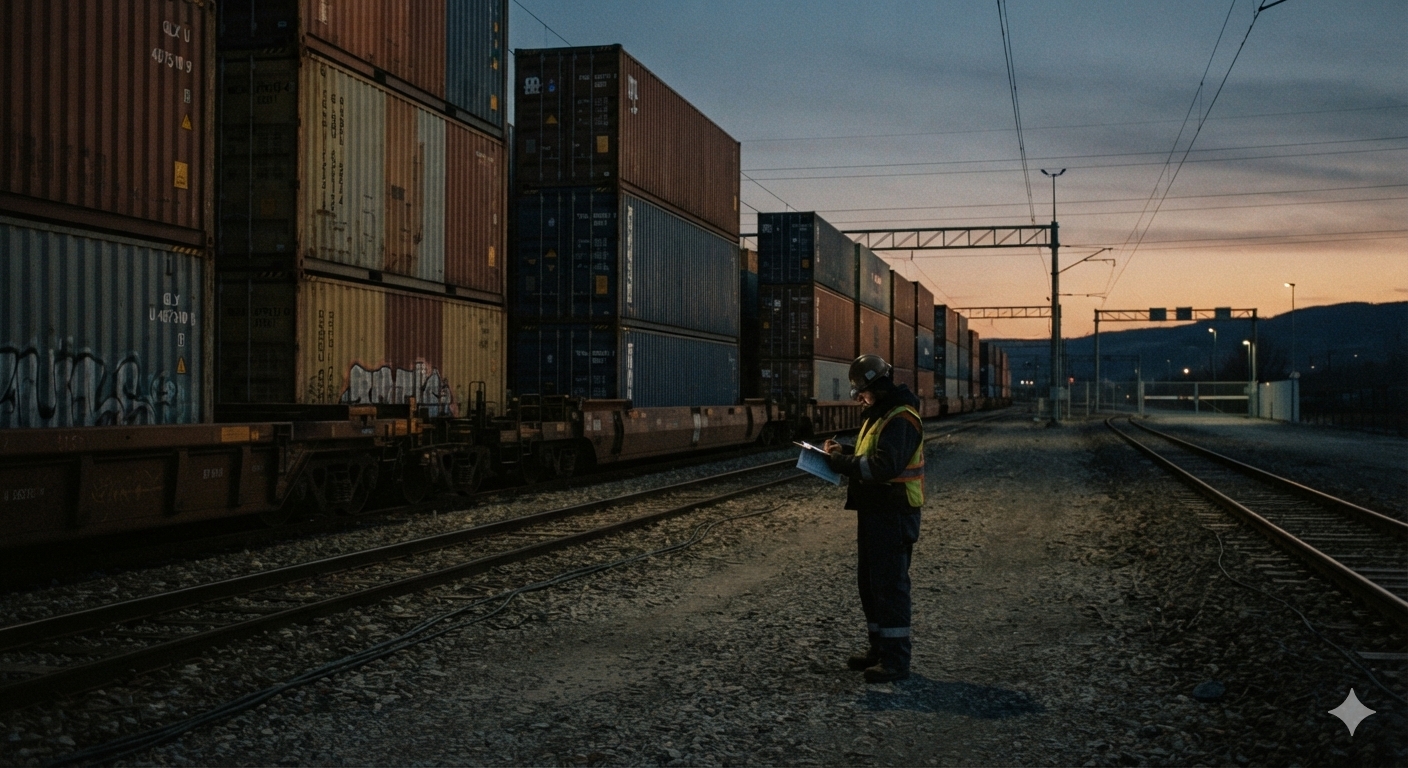
A factory that made spare parts for tractors five years ago now runs three shifts producing artillery components. Its stock trades higher every time ceasefire talks collapse. None of the workers on that line have ever seen the region their product ships to. A proxy war does that. It lets a nation arm one side of somebody else’s conflict and shape the outcome from a distance. No soldier of its own ever has to die there. The real question isn’t whether that’s good or bad in the abstract. It’s who benefits from a proxy war, exactly, and who’s left holding the actual cost.
The honest answer depends on whose ledger you’re reading. A sponsoring government and a regional population experience the same war as two almost unrelated events. Both accounts are true at once.
Who Benefits From a Proxy War: The Case for Involvement
For the sponsoring nation, a proxy war is often the cheapest form of leverage available. A rival power gets weakened, distracted, or bled of resources. No soldier from the sponsor’s own side comes home in a casket. That math is seductive to any government weighing the cost of action against the cost of doing nothing.
The domestic defense industry benefits just as directly. Sustained conflict is the closest thing to a live-fire product demonstration a weapons manufacturer can ask for, and contracts scale accordingly. One defense sector that scaled sharply during a recent major conflict shows the pattern clearly: production capacity there grew dozens of times over in just a few years, and its largest arms producer posted a steep year-over-year jump in revenue. Multiply that across every supplier feeding a conflict. An entire industrial base gets modernized, tested, and enriched by a war it will never have to live inside.
There’s a quieter benefit too. When a major grain or energy exporter gets knocked offline by conflict, its competitors don’t just watch. They absorb the market share. Buyers priced out of a disrupted supplier start looking elsewhere, and exporters an ocean away find themselves fielding orders that used to belong to someone else. None of this requires malice. It only requires being positioned to catch what someone else drops.
The Case Against Involvement
None of that logic survives contact with the region actually fighting the war. Displacement. Infrastructure destroyed. A generation that grows up defined by what it lost rather than what it built. That’s the ledger on the other side, and it doesn’t balance against anyone’s export numbers.
Outside support also tends to extend a war rather than resolve it. A side facing likely defeat gets resupplied by a sponsor with no soldiers at risk, so the incentive to negotiate quietly disappears. Peace becomes something that happens only when a sponsor’s patience runs out — not when the fighting itself becomes unsustainable. That timeline serves the sponsor’s interests more than the region’s.
Deniability compounds the damage. A conflict fought through intermediaries lets the sponsoring power shape outcomes while avoiding the accountability a direct war would force onto it. The costs are real. The fingerprints are not, and that asymmetry is precisely what makes proxy involvement attractive to a sponsor in the first place.
Instability Has More Than One Buyer
Here’s the part that resists a clean two-sided frame: instability itself isn’t a single product with one customer. It’s closer to a resource that different actors extract in different, sometimes contradictory ways. That’s why a war can be bad for a country and still be quietly good for some people living inside it.
A fragmented state is easier to smuggle through than a stable one. Armed factions on every side of a conflict have historically built entire economies around that fact — arms, minerals, fuel, whatever the terrain offers. Criminal networks that have profited from past civil conflicts rarely wanted peace any more than the outside sponsors arming distant allies did. A return to order would shut down the exact conditions their income depended on. The same logic holds for territory. A faction that gained ground it never would have held in peacetime has little reason to want that peacetime restored.
That means the disadvantaged side of a proxy war is rarely one thing. Civilians absorb the worst of it. But certain leaders, factions, or smugglers within that same population extract real gains from the chaos continuing — gains a negotiated peace would take from them personally, even as it helped almost everyone else around them. Instability doesn’t pick a side. It pays out to whoever’s positioned to collect, on both sides of the front line at once.
Where That Leaves the Question
None of this resolves into a verdict, and it probably shouldn’t. A sponsor’s cost-benefit calculation is real. So is the wreckage it’s calculated on top of. What’s harder to sit with is the middle finding: even the people paying the highest price for a war aren’t uniformly against its continuation. A few of them are being paid, quietly, to prefer it this way. That’s not cynicism. It’s just what happens when one war stops being one war and becomes several overlapping ones, each with its own definition of a good outcome.

Leave a Reply