
Someone fumbles the one moment that mattered — a dropped pass, a blown line in a presentation, a beat too slow on the reply that would’ve closed the deal. Your brain does the math instantly. That’s what did it. That’s why it all fell apart. You’ve already skipped past every other variable in the room and landed on the tidiest possible story: one person, one mistake, one collapse.
It’s a satisfying story, mostly because it’s simple. A goalkeeper already cutting the angle. A defender already sprinting back. Forty minutes still left to play. None of that survives the retelling. The single mistake gets to stand in for everything. One moment is just easier to hold in your head than a hundred moving parts happening at once, most of which you never even noticed.
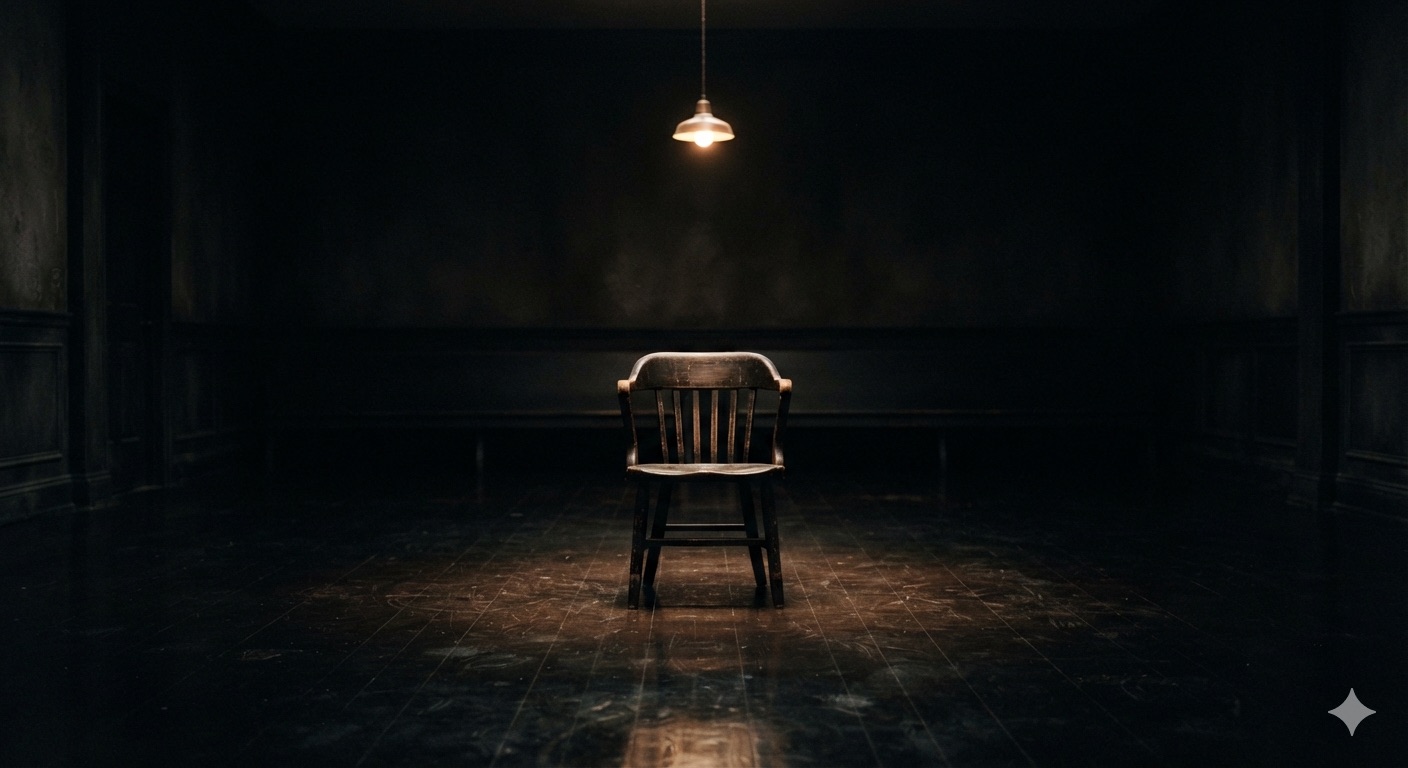
Now put yourself in the moment instead of watching it from the couch. The math changes completely. You don’t get the benefit of every other factor you were just willing to extend to a stranger a minute ago. You get the replay instead — the extra touch, the half-second of hesitation, the version of you that should have known better. It runs on a loop long after everyone else has already moved on to the next thing. I’ve run that loop myself, well past midnight, over decisions nobody else in the room even remembers being made. It’s the same courtroom that reconvenes after an argument’s already over — different case, same private verdict.
The crowd moves on within days. You’re still sitting in the verdict weeks later. No jury reconvenes to weigh your one mistake against the ninety-nine other things that also had to go right for the outcome anyone actually blames you for. You’re prosecutor and defendant at once, and you already know which role you’re better at playing.
What would it take to give yourself even half the benefit of the doubt you’d hand a stranger’s mistake? The forty minutes still left to play. A hundred other variables that also mattered. An outcome that was never guaranteed either way.

Leave a Reply