
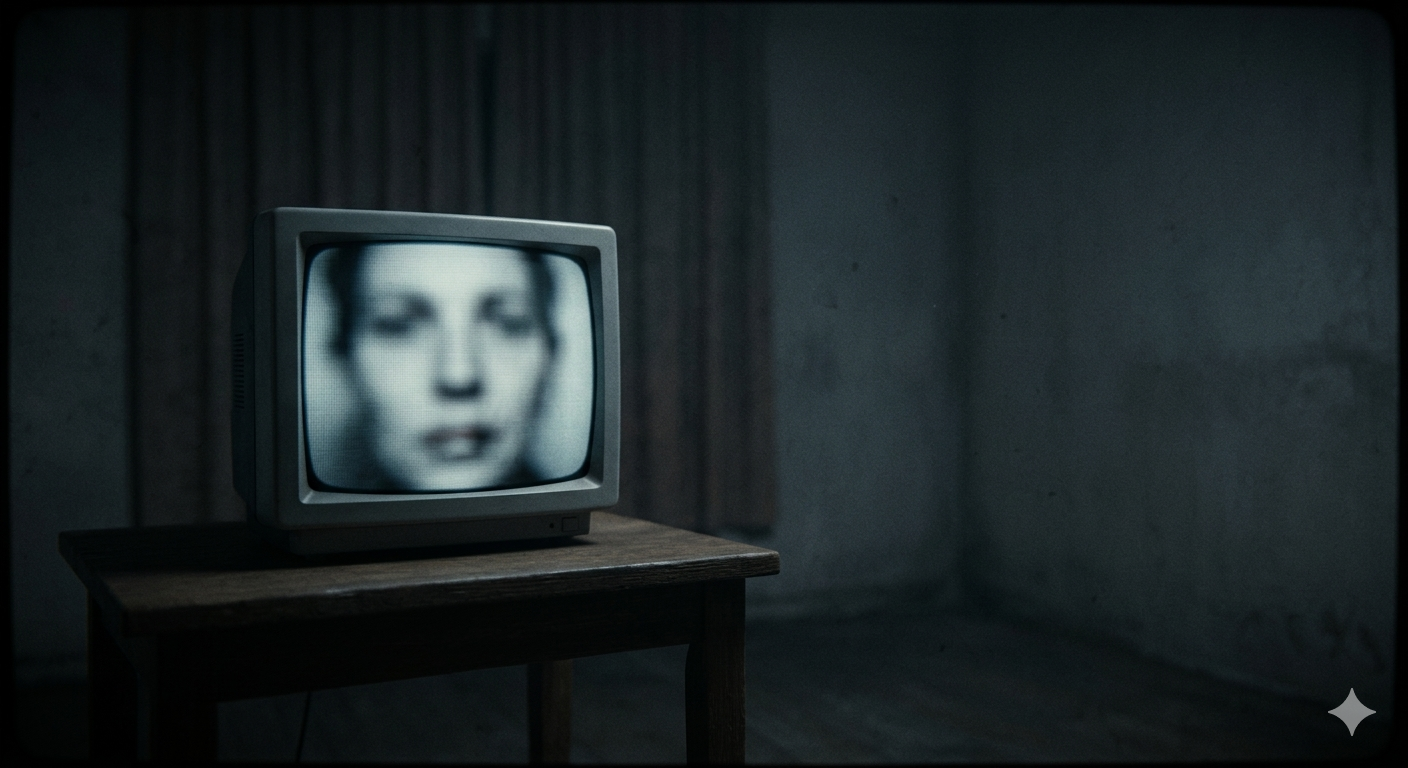
A video surfaces of a public figure saying something outrageous. Within minutes, people are arguing over whether it’s real, doctored the old-fashioned way, or a deepfake. That word gets attached fast, often before anyone’s actually confirmed what happened.
What does “deepfake” mean?
A deepfake is synthetic media — video, audio, or a still image. AI generates or alters it to show a real person doing or saying something they never actually did. “Deep” refers to deep learning, the technique that makes the fabrication convincing. If AI didn’t generate the likeness, the word doesn’t apply, no matter how manipulative the content is.
Where did the term come from?
The word surfaced in late 2017 on a Reddit forum. A user named “deepfakes” was swapping faces onto existing videos there, using freely available machine-learning tools. The technique spread fast beyond that one forum, and the name traveled with it. Within a year or two, “deepfake” had become the default word for any AI-fabricated video. Its original face-swap use case was just the start.
How does a deepfake actually work?
Most deepfakes come from a pair of competing neural networks, an approach called a generative adversarial network. One network generates the fake image or voice. The other tries to catch it as fake. Each attempt sharpens the next, and the cycle repeats until the fake reliably fools the detector. The result is footage that can survive a casual viewing, even though nothing in it actually happened.
A convincing deepfake still needs real training material. Think many photos, video clips, or audio samples of the person being imitated. That’s why public figures make easier targets than private individuals. They already have thousands of hours of recorded speech and video sitting online for a model to learn from. Since that data requirement is genuinely limiting, a deepfake usually implies the target already had a public footprint.
What separates a deepfake from ordinary video editing is that AI generation step. Someone can cut, slow, or splice a video without ever making a deepfake. No synthetic likeness gets created in the process. The term applies once a model generates new, fabricated audio or video of a real face or voice.
A concrete example
Picture an audio clip that starts circulating of a company executive appearing to admit something damaging. It lands hours before a major public announcement. The voice sounds right down to the pacing and inflection. It’s cloned from years of interviews and earnings calls already sitting online. Panic spreads for a few hours before analysts trace the clip to its actual origin. No such recording ever existed. By then, the damage to the stock price is already done, no matter how fast the correction follows.
What it’s not
A deepfake isn’t the same as a “cheapfake” or “shallowfake.” Those are videos slowed, sped up, or selectively cut with ordinary editing tools instead of AI generation. The tricks can mislead just as badly. But they skip the step of synthesizing a fabricated likeness, so the term doesn’t apply. A deepfake also isn’t a clearly labeled parody, since its whole function depends on being mistaken for the real thing. Frame a video openly as satire, and the deception that defines a deepfake disappears.
Where you’ll encounter it
The word shows up constantly in conversations about political misinformation and celebrity scams. It also appears in fraud cases, where someone clones a voice to authorize a wire transfer. And it comes up in media literacy talks about spotting manipulated footage. Expect the term to keep expanding as the underlying technology gets easier to use and harder to catch.
Related terms
- Ad Hominem (L18)
- Virtue Signaling (L19)
- Culture War (L20)

Leave a Reply